
Beyond the Earnings Premium: What Provosts/CAOs Need to Know About the New ROI Agenda in Higher Education


The ROI of Higher Education explores the evolving value of college degrees amid rising costs and skepticism. It emphasizes the necessity for institutions to demonstrate educational attainment’s impact on economic and social outcomes. Leaders must prioritize student completion, integrate experiential learning, and align curricula with workforce needs to maintain relevance and value in higher education. Continue reading Beyond the Earnings Premium: What Provosts/CAOs Need to Know About the New ROI Agenda in Higher Education
Things That Sound Too Good to Be True (They Are)

Watson Scott Swail examines the limitations of large charitable donations, like MacKenzie Scott’s $42 million gift to 10,000 Degrees, aiming to improve college access. While these initiatives provide immediate benefits to some students, their scale and duration are insufficient to effect nationwide change. Sustainable public funding and early interventions are crucial for lasting impact. Continue reading Things That Sound Too Good to Be True (They Are)

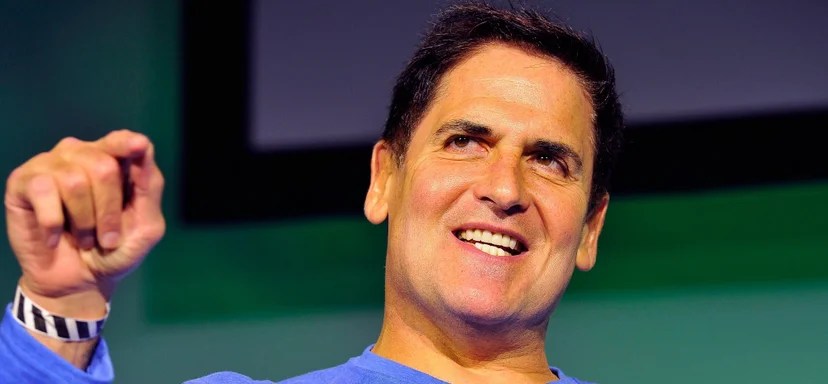
Mark Cuban and the Job Skills that are Worthless Today

Mark Cuban’s insights highlight four job skills rendered obsolete by AI: routine coding, basic data analysis, generic finance and legal work, and non-creative tasks. As AI enhances efficiency, the focus should shift to preparing the workforce for roles requiring creativity and critical thinking. Educational institutions must adapt to these evolving demands. Continue reading Mark Cuban and the Job Skills that are Worthless Today

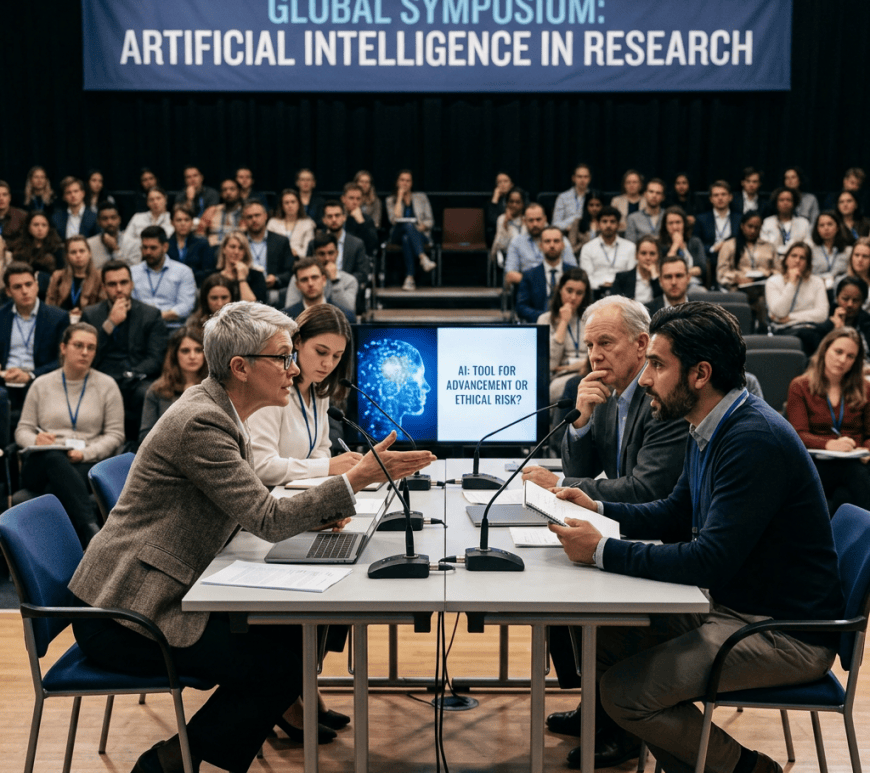
AI, Research, and the New Academic Divide

A recent survey indicates that while most academics have not utilized AI for writing, 58 percent support its limited use. Though resistance exists, many students embrace AI, highlighting a divide with faculty. AI enhances research efficiency, prompting discussions about ethical use in academia as the landscape shifts dramatically. Continue reading AI, Research, and the New Academic Divide

Illuminated pyramid sculpture with orange, blue, and pink panels on university campus

The Geometry of Student Success

By Watson Scott Swail, President/CEO & Senior Research Scholar, Educational Policy Institute In the mid-1990s, I created the Swail Geometric Framework to help higher education practitioners better understand the primary factors that contribute to student attrition and the strategies they can use to address them. Since then, dozens—if not hundreds—of universities have used the model successfully. First published in the ASHE-ERIC/Jossey-Bass volume “Retaining Minority Students in Higher … Continue reading The Geometry of Student Success